


Knowles Blog
Learn more about how Knowles powers high‑performance innovation across advanced materials, precision components, and next‑generation technologies.
At Knowles, we engineer high‑performance solutions that enable the world’s most demanding applications. This blog explores the technologies, insights, and emerging opportunities shaping advanced ceramics, precision components, and the markets we serve.

Establishing Reliable Radar Performance with Knowles
Jan 29, 2025
At Knowles, we have more than 40 years of experience developing high-performance, high-reliability components for military applications. Our US-based manufacturing facilities adhere to the highest military-grade quality and reliability standards so our components can be used in sophisticated, secure military and aerospace systems.

Taking Big Steps on Our Journey as a Premier Industrial Technology Company
Jan 22, 2025
Knowles is evolving as an industrial technology leader focused on high-performance solutions for demanding growth markets.
.webp?sfvrsn=b6fe40b1_1)
The Science and Engineering of Advanced MRI Machines
Jan 15, 2025
Magnetic resonance imaging (MRI) is a powerful diagnostic tool for generating detailed images of the body using advanced physics and engineering. Here, we’ll cover the interplay between the two fields and the RF innovations driving MRI advancements.

Supercapacitor Modules Bridge the Power Gap for No-Fail Systems
Jan 8, 2025
With more and more mission-critical systems relying on electrical power, consistent and reliable backup power is essential to ensure uninterrupted operation.
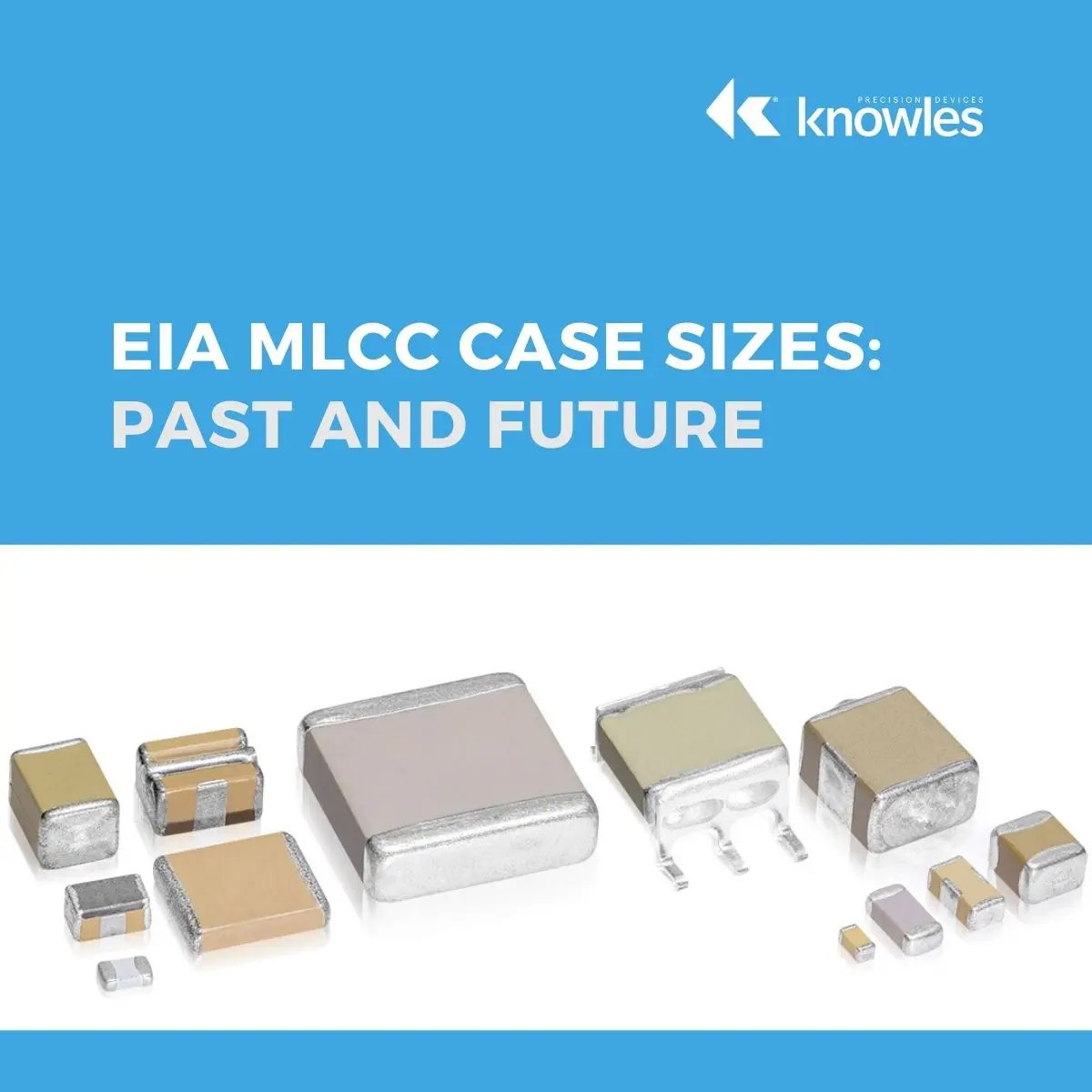
EIA MLCC Case Sizes: Past and Future
Jan 2, 2025
Standardized capacitor sizes help engineers choose compatible components as electronics become smaller and more powerful.

Top Articles of 2024: Broadband Crossovers, Supercapacitors and More
Dec 23, 2024
In 2024, our experts were dedicated to breaking down engineering fundamentals and exploring the latest industry trends and challenges. We hope you’ve found our insights and guidance helpful throughout the year, and we’re grateful for your continued trust and readership.
The Role of Filters in Expanding Bandwidth for Electronic Warfare Receivers
Dec 18, 2024
Electronic warfare (EW) systems are an increasingly critical component of modern warfare. They seek to control and exploit the electromagnetic spectrum to gain an advantage over adversaries while preventing them from reciprocating.

A Q&A on Thin Film Circuit Technology
Dec 4, 2024
Q&A on how thin film technology enables compact, reliable, high-performance RF circuits.
Understanding Buck and Boost Converters and the Capacitors Behind Them
Nov 25, 2024
Product designers working on critical applications requiring electrical power must carefully select components that not only supply the appropriate amount of voltage at the right time, but also help mitigate issues such as voltage ripple, ensure system longevity, and improve component reliability.
Examining the Definition of “Wideband” Through the Lens of Electronic Warfare Systems
Nov 20, 2024
In complex radio frequency (RF) applications, “wideband” has varying definitions depending on both the application of interest and the portion of the RF circuit you’re focused on. Wideband can be used to describe the entire spectrum shown in Figure 1 or large portions of it.

Powering Artificial Intelligence with Low-Loss Capacitors
Nov 13, 2024
As AI drives higher data center power demands, efficient power conversion and high-performance capacitors are increasingly important for reducing energy losses.
.webp?sfvrsn=4af440b1_1)
Exploring Our Energy Future with the Help of Capacitors
Nov 6, 2024
Companies across the world are engaged in fusion research; some are large national and international labs while others are start-ups looking for lower-cost alternatives to traditional fusion techniques.
Reach Out To Us
Can't find what you are looking for? Let us know how we can help.
Distributors & Reps
Knowles utilizes a global network of Distributors and Sales Representatives — find the one nearest you.